
AVOKE Flanges
Industrial Flanges
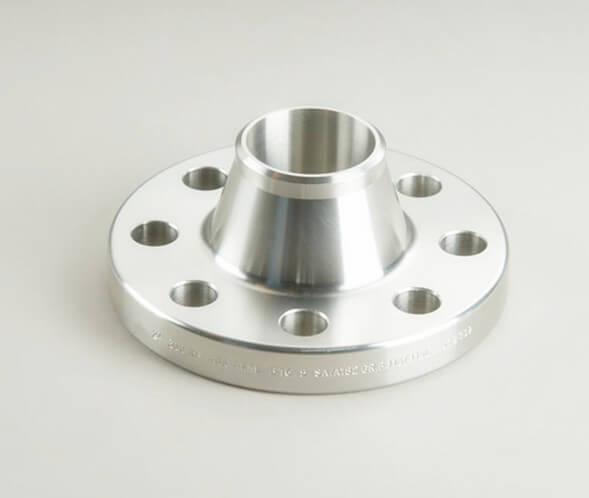
Weld Neck Flange (WN)
Most common in high-pressure oil and gas systems.
Butt-welded to pipe
Strong stress distribution
Good for:
high pressure
high temperature
cyclic loading
Used in:
offshore rigs
subsea systems
crude oil pipelines
Typical standards:
ASME B16.5
API 6A (wellhead equipment)
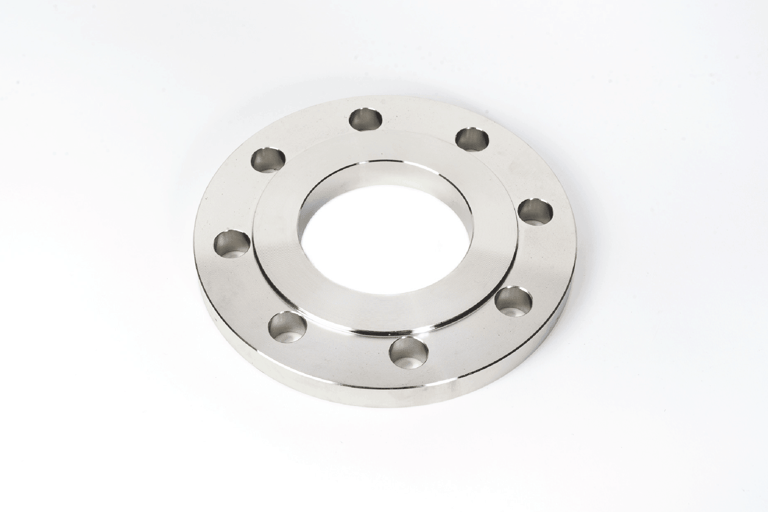
Slip-On Flange (SO)
Simpler and cheaper than weld neck.
Pipe slips into flange
Fillet welded
Easier alignment
Used in:
low-to-medium pressure lines
water systems
utility services on rigs
Less suitable for severe vibration.
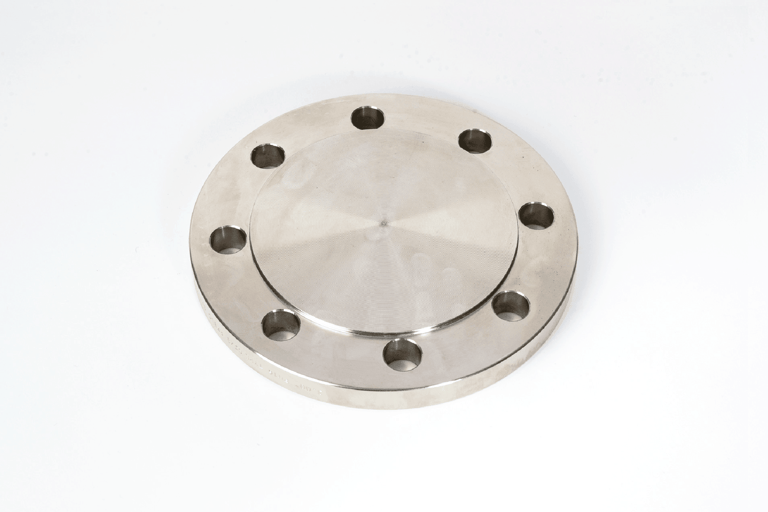
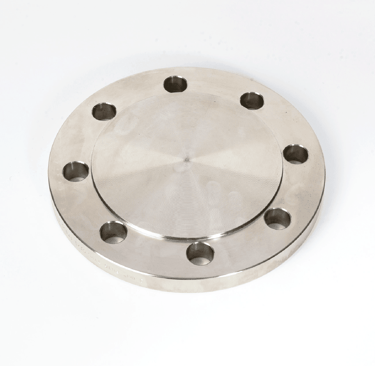
Blind Flange
Used to close pipeline ends or equipment nozzles.
No bore opening
Allows future expansion or inspection
Common on:
pressure vessels
manifolds
pig launcher/receiver systems
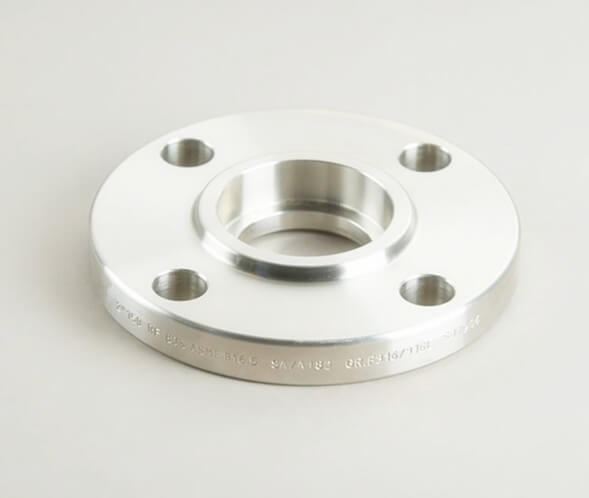
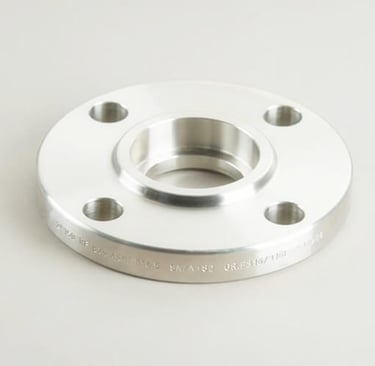
Socket Weld Flange
Used on small-diameter high-pressure piping.
Pipe inserted into socket
Fillet weld outside
Common in:
hydraulic systems
chemical injection lines
instrument piping
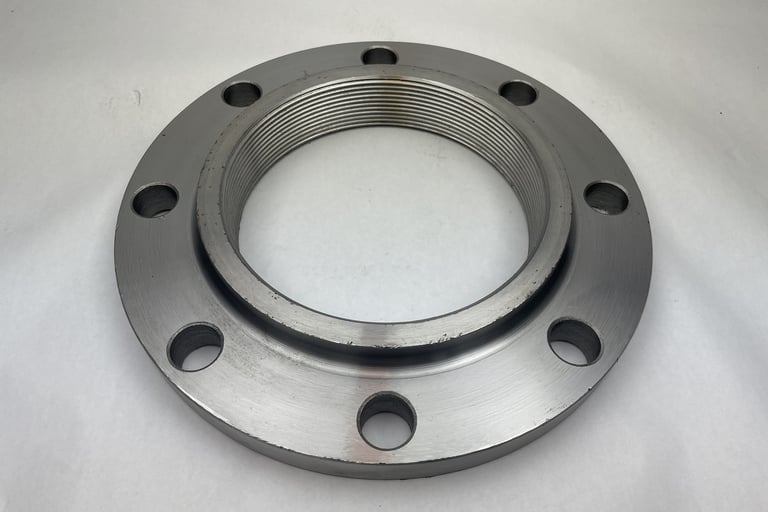
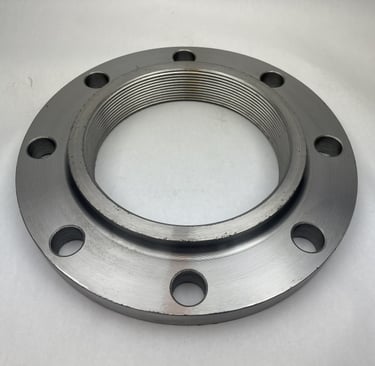
Threaded Flange
No welding required.
Screwed onto threaded pipe
Used in:
low-pressure systems
hazardous areas where welding is difficult
Less common in modern high-pressure oil systems.
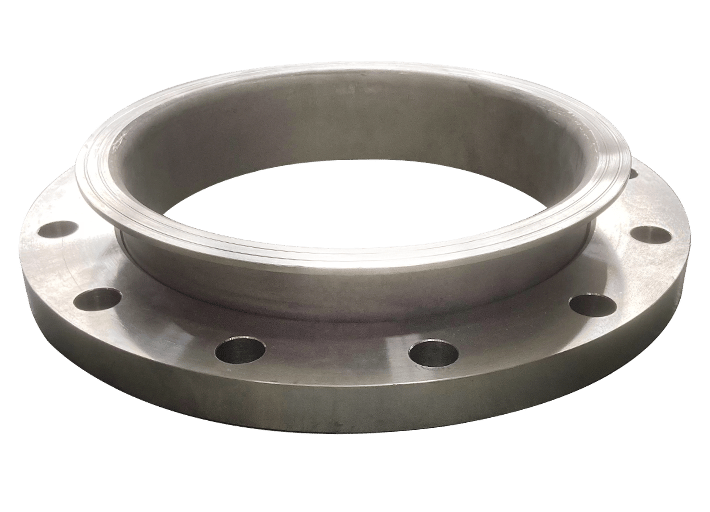
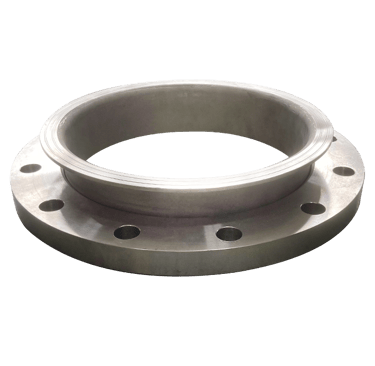
Lap Joint Flange
Used with stub ends.
Good for systems needing frequent dismantling
Easier alignment
Often used with:
stainless steel
corrosion-resistant alloys
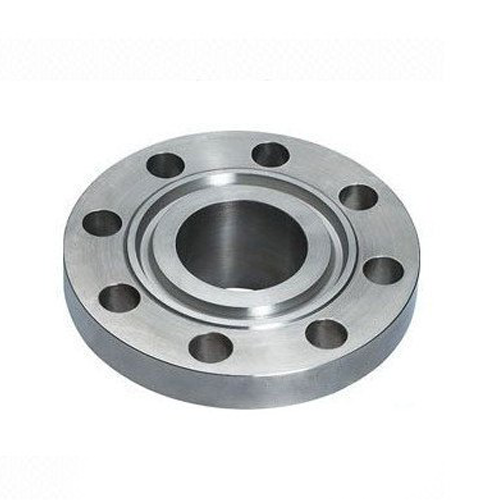
Ring Type Joint (RTJ) Flange
Very important in oil & gas.
Metal-to-metal sealing
Handles extreme pressure and temperature
Common on:
drilling manifolds
blowout preventers (BOP)
wellheads
subsea equipment
Usually follows:
API 6A
ASME B16.5
CONTACTS
OSTIM Yukari Yahyalar, 1424. Sk., 06200 Yenimahalle/Ankara Industrial District,
Ankara, Turkey
+90 0312 787 4485
info@avouke.com